
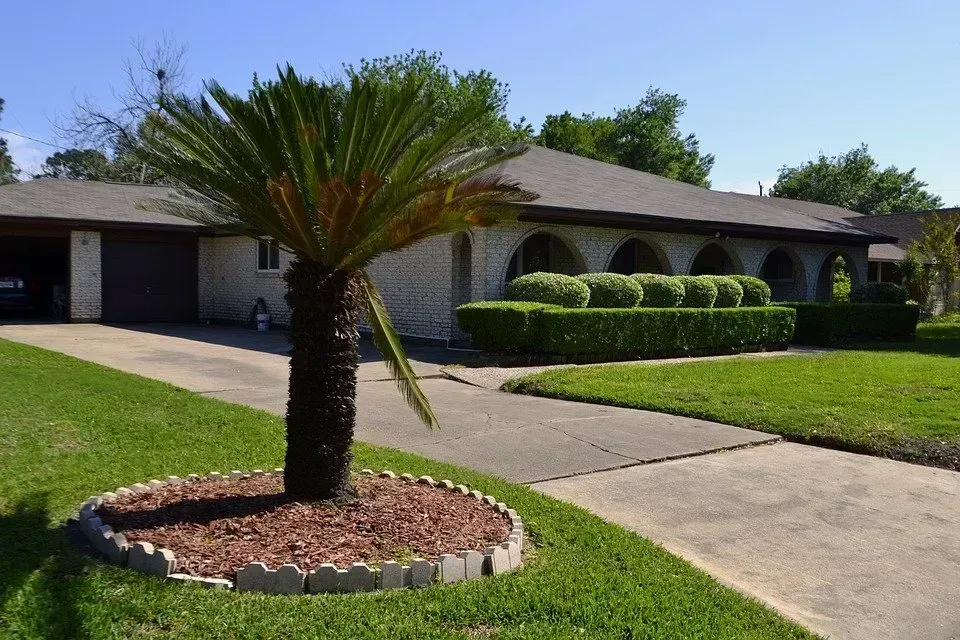
How to Care for Palms in Broward County (Seasonal)
Palm trees are the undisputed symbol of the South Florida landscape. However, maintaining that picture-postcard tropical aesthetic in an area like Broward County requires more than simply planting them and letting them grow. The climate in cities like Fort Lauderdale, Hollywood, or Pembroke Pines presents specific challenges that vary depending on the time of year.
Below, we share a detailed guide for the seasonal care of palms in Broward County, ensuring your specimens grow strong and healthy.
Seasonal Care Guide
1. Spring (March – May): Awakening and Nutrition
Spring is the most critical season for palms in Florida. This is when they emerge from their slow winter growth phase and prepare for the summer explosion.
Precision Fertilization: In Broward, soils are typically sandy and alkaline, which makes nutrient retention difficult. Use a slow-release fertilizer with an 8-2-12-4Mg ratio. It is vital that it contains magnesium (Mg) and potassium (K), as palms in our area frequently suffer from these deficiencies.
Moderate Cleaning: When pruning, follow the "clock face" rule. Only remove fronds that are completely brown and hang below the 9 and 3 o'clock line on an imaginary clock. Never perform a "hurricane cut" or "pineapple cut" (removing upper green leaves), as this weakens the palm's ability to produce energy.
2. Summer (June – September): Water and Pest Vigilance
Summer in Broward brings torrential rains, but also extreme heat that can stress non-native species.
Watering Management: Even with heavy rain, newly planted palms need supplemental irrigation. If the soil is dry two inches deep, it’s time to water. For established palms, ensure optimal drainage; standing water during days of flash flooding can rot the roots.
Hurricane Season: Do not perform "hurricane pruning." There is a myth that removing leaves helps wind pass through the palm. In reality, the upper fronds protect the "heart" or budding point of the palm. An over-pruned palm is more likely to die if the central bud is damaged by wind.
Pest Control: Keep an eye out for the Palm Weevil and the Rugose Spiraling Whitefly, which are very common in Broward. If you notice a waxy white powder under the leaves or sticky honeydew on the ground, consult a local specialist.
3. Autumn (October – November): Preparing for Transition
As the nights become a bit cooler, the palm's growth rate slows down.
Final Fertilization: Apply the last dose of fertilizer in early November. This will strengthen the plant before temperatures drop, helping it better resist occasional cold fronts.
Monitoring Deficiencies: If you notice new leaves coming out yellowish or with orange spots, it is a sign of potassium deficiency. Autumn is a good time to correct this before the plant enters its less active phase.
4. Winter (December – February): Protection and Patience
Although Broward rarely experiences freezes, northern cold fronts can affect the more tropical species (such as the Adonidia or Christmas Palm).
Reduced Watering: Palms need much less water in winter. Reduce the frequency of your sprinklers to prevent fungal growth.
Cold Protection: If an unusually cold night is forecast (below 40°F), water the soil around the palm well during the day; wet soil retains more heat than dry soil. For small or valuable specimens, you can cover the central bud with a breathable fabric (never plastic).
Avoid Pruning: Do not prune during the winter. The leaves, even those slightly damaged by the cold, provide thermal insulation for the rest of the plant.
Final Tips for Broward Residents
Keeping Your Garden Always in Compliance
Preventive maintenance isn't about reacting when an HOA letter arrives; it’s about acting before the inspector passes your house. In Coconut Creek, where rules aim to preserve natural beauty and urban harmony, having a team that understands these standards is an investment that pays for itself by avoiding costly fines.
Have you received an HOA notification recently?